PlateCooking tips9 min read
How to cook for someone with food allergies, step by step
How to cook for someone with food allergies: what to ask, the 9 US and 14 UK allergens, hidden ones in recipes, and how to stop cross-contact at home.
To cook for someone with food allergies, ask exactly what they can't eat, pick a menu you can fully check, read the label on every packaged ingredient, and keep their food away from the allergen from the shop to the table. Heat doesn't make an allergen safe, so prevention is the whole job.
We make Plate, a recipe keeper for iPhone that shows allergen and dietary tags on every recipe, so we spend a lot of time on what an ingredient list can and can't tell you. This guide covers the questions to ask, the allergens food law names, how to spot hidden ones, a cross-contact routine and what to do if a reaction starts.
How do you cook for someone with food allergies?
Cooking for someone with a food allergy means making sure one specific food never reaches their plate, not even as a trace. The FDA explains that food allergies "occur when the body's immune system reacts to certain proteins in food." The UK's Food Standards Agency (FSA) adds that heating doesn't remove the allergenic potential of those proteins unless they're completely hydrolysed. Ask your guest, or a child's parents or carers, what they can and can't eat. Choose dishes with short ingredient lists you can verify. Read the label of every packaged item, including sauces, dressings and desserts. Clean your surfaces and tools, wash your hands with soap, and cook the safe dish first. Keep the packets, or a note of every ingredient, so you can answer questions at the table. And remember that lifting the allergen off a finished plate isn't enough.
What should you ask before you plan the menu?
Start with a conversation, not a recipe. The FSA's first piece of advice is to ask your guest what they can and can't eat. These questions cover the basics:
- Which foods, exactly? "Nuts" might mean peanuts, tree nuts or both. "Dairy" can cover milk, butter, cream and cheese.
- Do traces matter? Some people avoid anything labeled "may contain." Others don't. Ask instead of guessing.
- Is it an allergy or an intolerance? The answer tells you how careful the whole kitchen needs to be, not just the plate.
- Do they carry emergency medicine? If they have an adrenaline auto-injector, know where it is.
- Would they like to see the recipe, or bring a dish? Offering the ingredient list is a simple courtesy.
Write the answers down before you shop. If you're also feeding a crowd, our portion guide for hosts helps you work out quantities.
Which foods count as major allergens?
US law names nine major food allergens and UK law names fourteen. The FDA's list grew to nine when sesame was added, effective January 1, 2023, and labels must "identify the food source of all major food allergens used to make the food." The FSA says UK food law identifies its fourteen as "the most potent and prevalent." Here's how the two lists compare:
| Allergen | US list (FDA) | UK list (FSA) |
|---|---|---|
| Milk | Yes | Yes |
| Eggs | Yes | Yes |
| Fish | Yes | Yes |
| Crustacean shellfish, such as prawns, crab and lobster | Yes | Yes |
| Molluscs, such as mussels and oysters | Not listed | Yes |
| Tree nuts | Yes | Yes |
| Peanuts | Yes | Yes |
| Wheat | Yes | Listed as cereals containing gluten (wheat, rye, barley, oats) |
| Soybeans | Yes | Yes |
| Sesame | Yes | Yes |
| Celery | Not listed | Yes |
| Lupin | Not listed | Yes |
| Mustard | Not listed | Yes |
| Sulphur dioxide and sulphites | Not listed | Yes, above ten parts per million |
These lists set labeling rules. They don't limit what people can be allergic to, so your guest's answer always beats the table.
How do you find hidden allergens in a recipe?
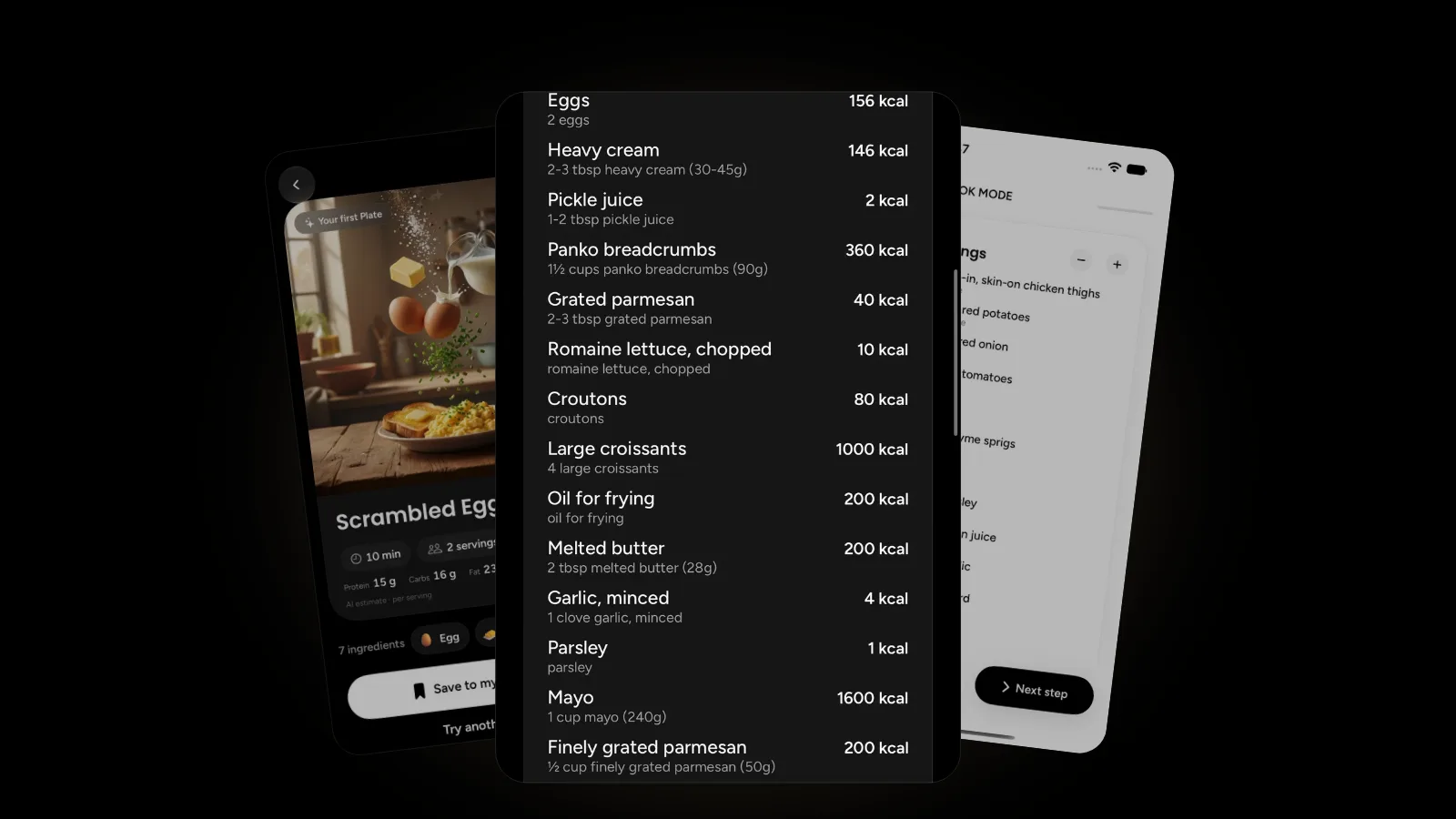
Read the ingredient list one line at a time and ask what each item is made from. In a recipe, allergens often hide inside other ingredients: egg in mayonnaise, milk in butter and parmesan, wheat in breadcrumbs, croutons and pastry.
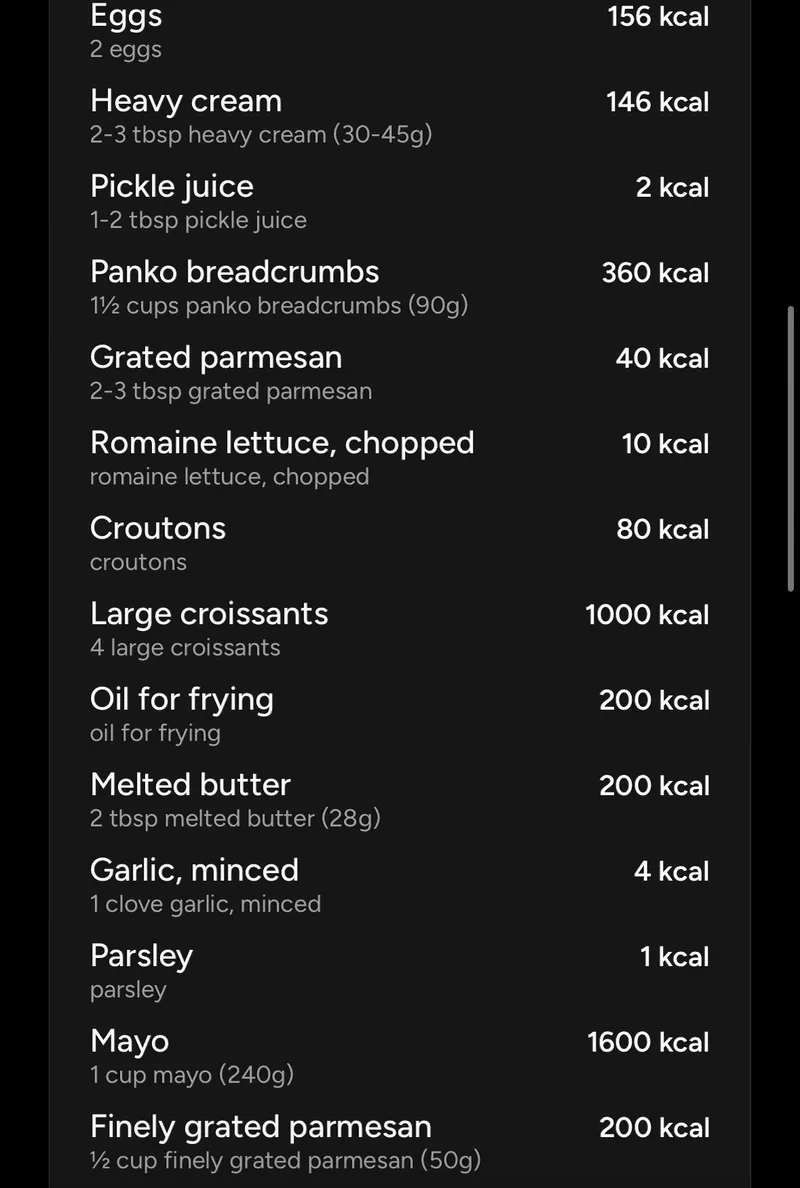
Take the list above. Eggs are obvious. Mayonnaise is usually made with egg too. Heavy cream, butter and both kinds of parmesan are milk. Panko, croutons and croissants are made from wheat flour, and croissants are usually made with butter as well. "Oil for frying" needs a question: which oil, and what has it already fried? The FDA defines cross-contact as "the inadvertent introduction of a major food allergen into a product," and oil that has cooked breaded fish has touched both wheat and fish.
Then check every packet. The FDA says major allergens must be named either in parentheses in the ingredient list or in a "Contains" statement next to it, such as "Contains Wheat, Milk, and Soy." Its advice is short: "Always read food labels." Statements like "may contain" or "produced in a facility that also uses" are different. The FDA says the law doesn't require them, so a label without one isn't a promise that the food is free of traces. The FSA also suggests keeping a note of the ingredients, or the food packet itself, so you can answer any question your guest asks.
How do you prevent cross-contact in a home kitchen?
Cross-contact happens through hands, boards, spoons, oil and garnishes. The fix is a routine, done in the same order every time. These steps come from FARE's Steps for a Safe Kitchen and the FSA's advice for home cooks:
- Clean first. FARE lists counters, cutting boards, knives, slicers, spoons, measuring cups and mixing bowls. Food Standards Scotland says to use hot, soapy water, and the FSA says cloths should be washed and clean before use.
- Wash your hands with soap. Sanitizer gel isn't a substitute (more on that below).
- Cook the safe dish first. FARE's advice is to "prepare meals for people with food allergies before other family meals." Build it into your mise en place so the safe dish comes first.
- Use separate tools. FARE suggests "separate sets of utensils for handling safe and unsafe foods." Some families color-code their dishes.
- Skip last-minute extras. The FSA advises against adding extra toppings or decorations, which is where a sprinkle of nuts or cheese sneaks in.
- Cover it and serve it separately. If the meal isn't served right away, FARE suggests covering it and keeping it warm in a low oven.
What about soap versus gel? A 2004 Johns Hopkins study in the Journal of Allergy and Clinical Immunology tested how well cleaning methods remove peanut allergen. After washing with liquid soap, bar soap or commercial wipes, none was detectable. Plain water left it on 3 of 12 hands, and antibacterial hand sanitizer on 6 of 12. On tables, common household cleaners worked, except dishwashing liquid, which left peanut allergen on 4 of 12.
What should you do if your guest has a reaction?
Act fast and follow their plan. The FDA says symptoms "may appear from within a few minutes to a few hours," can include hives, flushed skin or a rash, vomiting or diarrhea and difficulty breathing, and some reactions progress to anaphylaxis. The NHS lists signs of anaphylaxis that include swelling of the throat and tongue, difficulty breathing, wheezing and feeling faint.
The NHS gives two first steps: use an adrenaline auto-injector if the person has one, then call 999 for an ambulance and say you think it's anaphylaxis. Outside the UK, call your local emergency number. Afterward, hold on to the packaging. The FDA says food packages may contain important information when a reaction is reported.
How can Plate help you cook for someone with allergies?
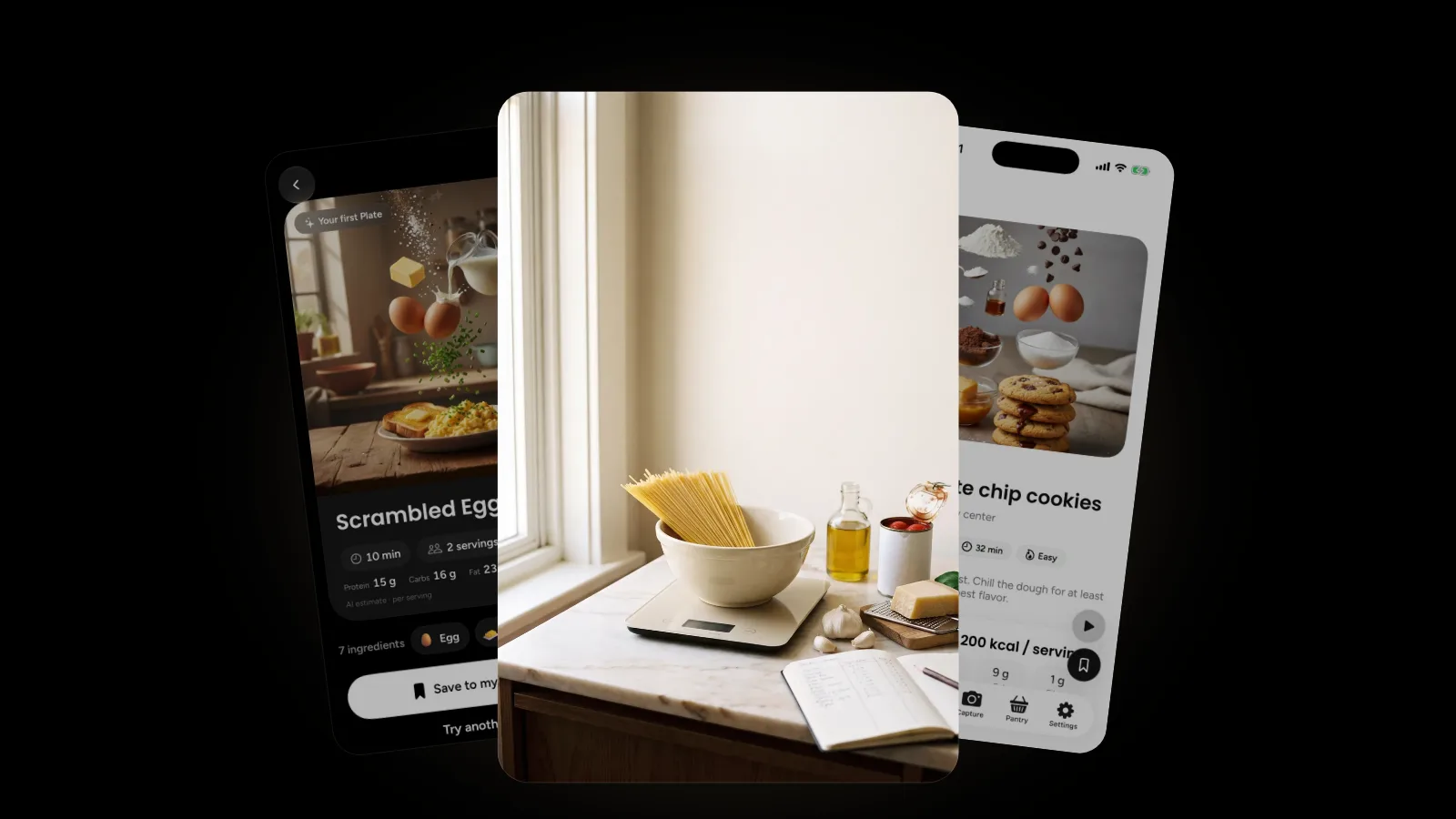
Plate keeps the facts you need in one place. Every recipe lists its ingredients with amounts, and allergen and dietary tags are surfaced on every recipe. Treat those tags as a first flag, not a final answer. They're AI estimates generated from the ingredient list, not from the brand of stock or chocolate you bought, and Plate says plainly that they aren't medical or dietary advice.
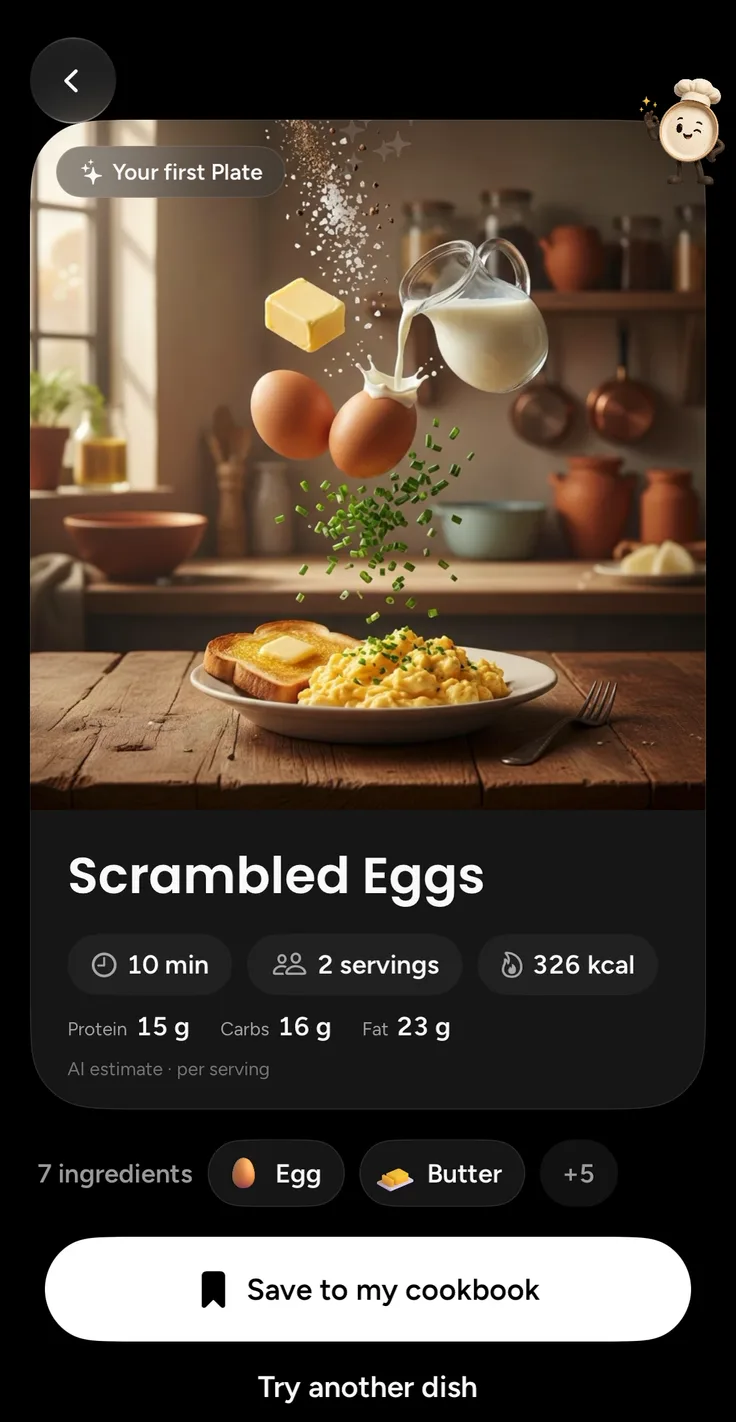
Here's how it fits the routine above:
- Get the full ingredient list. Snap a dish, paste a link, share a video or scan a paper card, and Plate writes the recipe out with its ingredients and amounts. A photo can't show sesame in a dressing, which is why our guide to photo to recipe says to check every ingredient yourself.
- Keep the safe version. Save the recipe you checked to your private cookbook. That's the ingredient note the FSA suggests, ready when a guest asks what's in the sauce.
- Share it ahead of time. Export the recipe as a high-resolution card or a PDF and send it to your guest before dinner.
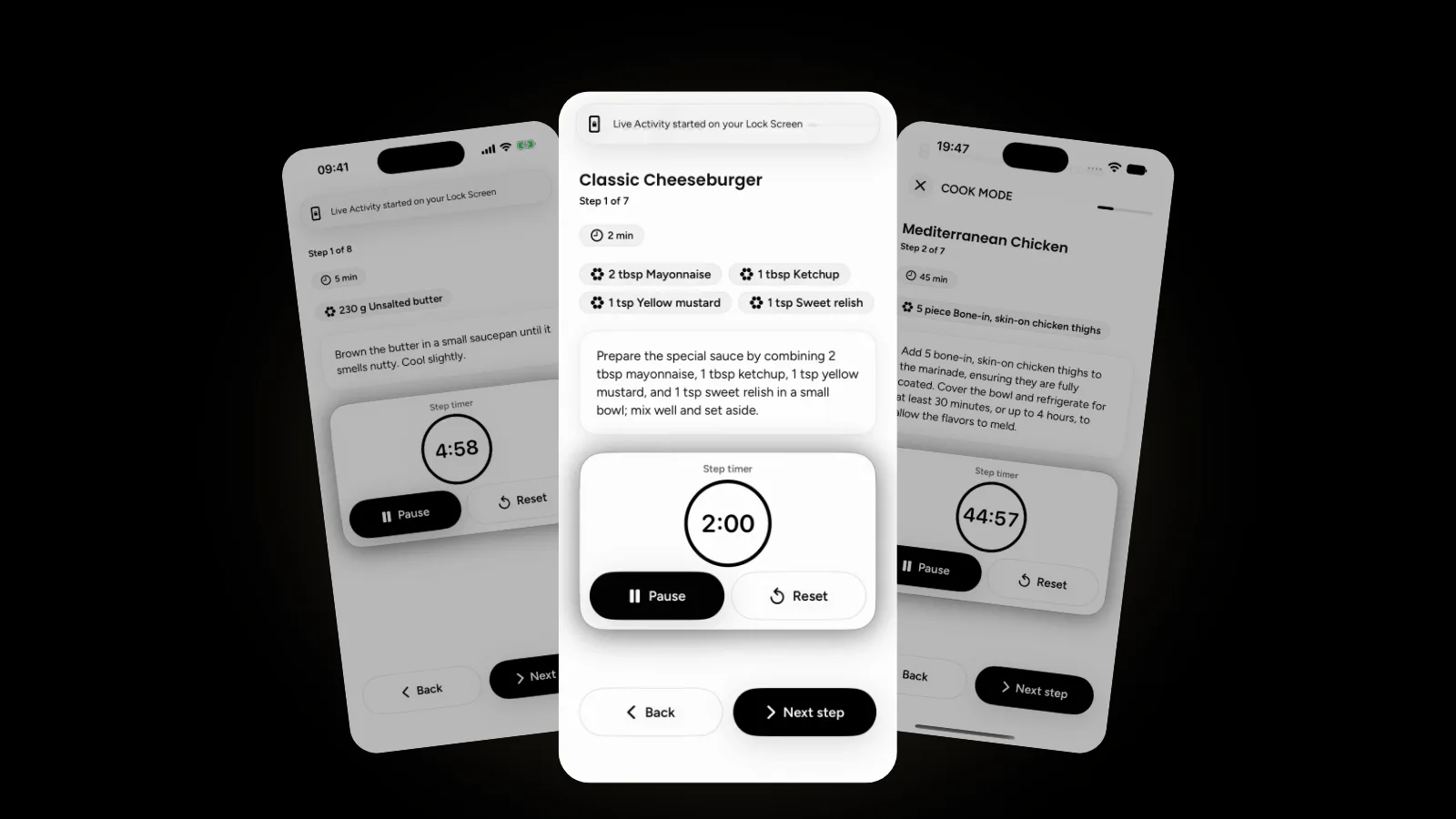
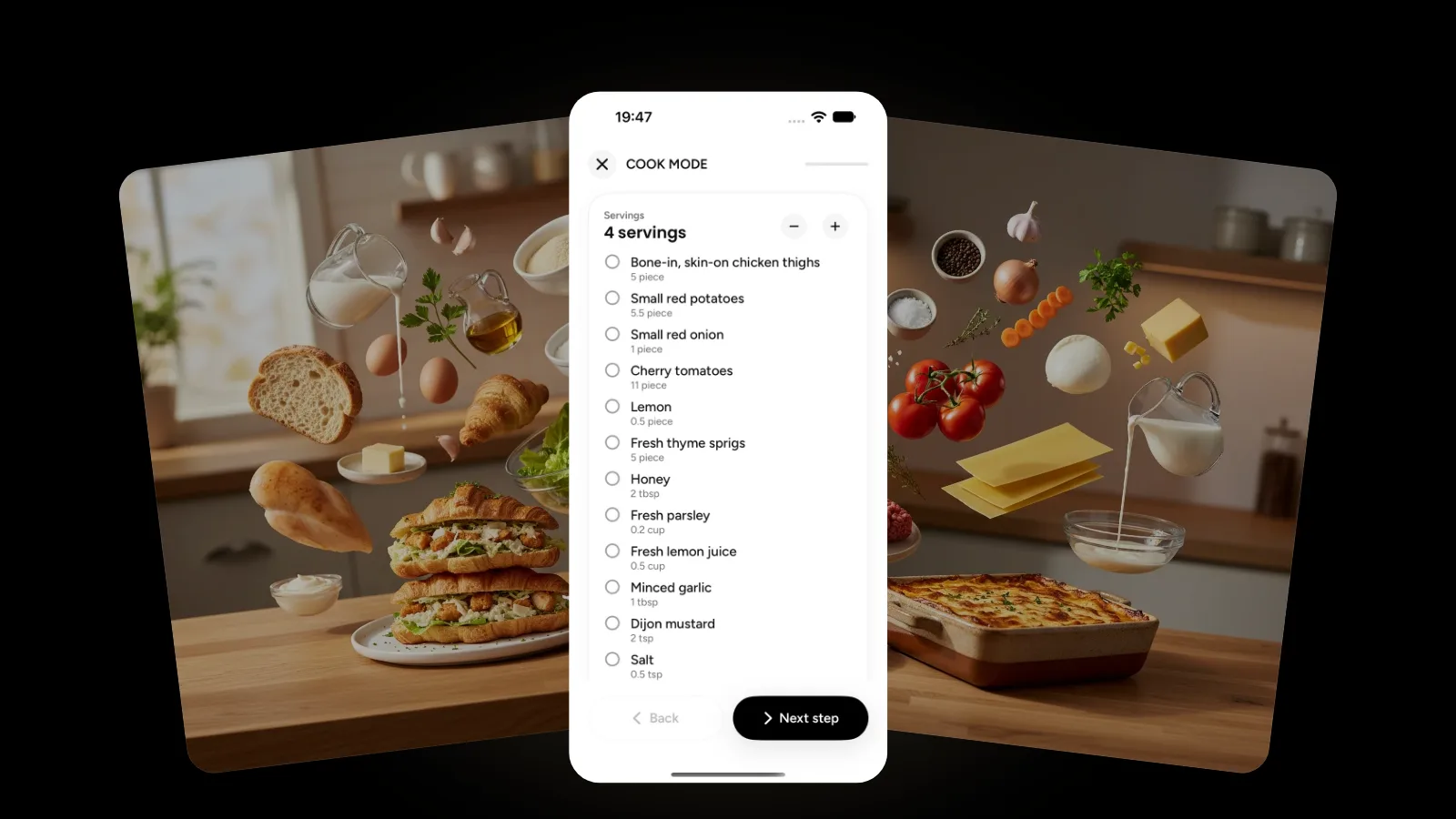
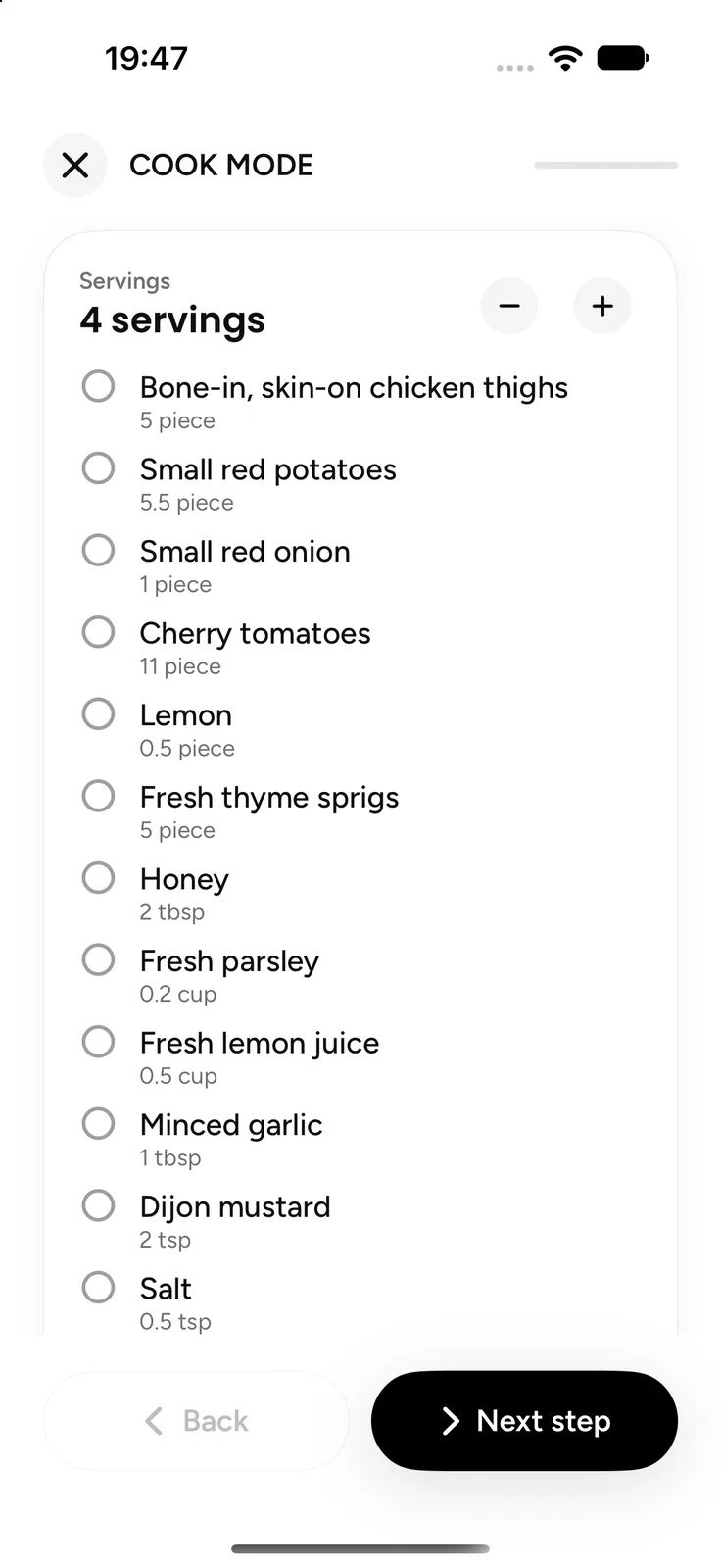
- Cook from a checklist. Cook Mode walks you through one step at a time with a tickable ingredient checklist and built-in timers.
If you swap an ingredient for a safe one, write the swap down and keep the new product's label. More guides are in the Plate category.
FAQ
Does cooking destroy food allergens?
No. The FSA says heating does not remove the allergenic potential of proteins in food unless they're completely hydrolysed. Baking, boiling or frying won't make an allergen safe, and the FSA adds that just taking it off someone's plate is not enough either.
Is hand sanitizer enough after handling peanuts?
No. In a 2004 Johns Hopkins study, liquid soap, bar soap and commercial wipes removed detectable peanut allergen from hands. Antibacterial hand sanitizer left it on 6 of 12 hands, and plain water on 3 of 12. Wash with soap before you touch the safe dish.
What does "may contain" mean on a food label?
It's an advisory statement about possible cross-contact during manufacturing. The FDA says the law doesn't require these statements, and that they must be truthful and not misleading. People with allergies treat them differently, so ask your guest how strict to be.
Can a recipe app tell me whether a dish is safe for my guest?
It can flag likely allergens, but it can't read the packet in your cupboard. Plate's allergen and dietary tags are AI estimates from the ingredient list. Use them as a starting point, then check every label and confirm the menu with your guest.
Get started
Before your next dinner, ask the questions above and read every label once, slowly. To keep your checked recipes and their ingredient lists in one place, Plate is free to start on the App Store, and the Plate page shows what else it can do.